Why can't I make friends?
"A friend is always loyal, and a brother is born to help in time of need." —Proverbs 17:17 (NLT)
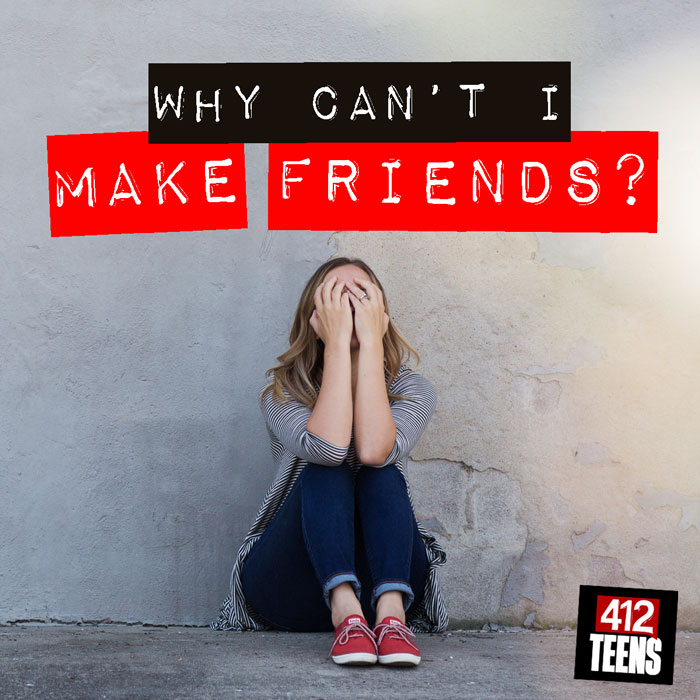
If you've been hurting due to loneliness or not having friends who care, I'm so sorry. What you're feeling is very real, and it doesn't mean you're broken or "the problem." Struggling to create friendships, or being hurt by them, is painful, but not uncommon.
When Friends Hurt
"Even my best friend, the one I trusted completely, the one who shared my food, has turned against me." —Psalm 41:9 (NLT)
Being hurt by existing friendships is an awful kind of betrayal. Sometimes kind, empathetic, or quiet people attract others who don't know how to treat them well.
When explaining your feelings, these types of friends are unable to listen, or they may choose to punish that vulnerability—whether purposefully or unintentionally. That's on THEM. You deserve real friends who listen, care, and try to change when they find out they've hurt a loved one (Proverbs 27:9).
If someone in your life dismisses your pain or makes you feel guilty for speaking up, voicing your needs, or creating boundaries, that's not a healthy friendship (Proverbs 27:6).
When Shyness Limits
"For the Holy Spirit, God's gift, does not want you to be afraid of people, but to be wise and strong, and to love them and enjoy being with them." —2 Timothy 1:7 (NLT)
Being shy combined with past hurts may cause the act of making friends particularly difficult. You may be overthinking, fearful that people will leave, avoiding conflicts, or accepting poor treatment just to keep from being alone.
None of that means you're broken, it means you're human. And you don't have to "fix" these areas of your life—or at least not all at once. God wants us to live fulfilling lives in a community with healthy relationships (2 Timothy 1:7; Hebrews 10:25), but it takes time to build these things up.
Sometimes it's helpful to simply acknowledge that you're overthinking, avoiding conflict, or struggling with your mental health. Sometimes being honest with yourself about the situation provides an opportunity to do something about it if you so choose. I recommend you start small if you do choose to change things.
How do I make good friends?
"Encourage each other and build each other up, just as you are already doing." —1 Thessalonians 5:11 (NLT)
Look for someone who feels safe to you. Look around for people who are kind and respectful to others. They might be quiet or more introverted, so it may require a little extra effort to initiate a conversation. Quiet, kind people tend to be less distracted by being "popular," and you might find their friendship more meaningful over time.
Let friendship grow slowly. You don't have to share everything right away or do everything together immediately. It takes time to build trust. Often friendships are built on shared memories and experiences. Simply doing activities or spending time together creates those memories, but they often can't be rushed. Try to slowly, but consistently, spend time with your chosen people.

Consider finding a shared interest. Nerdy kids tend to get along with other nerdy kids, or sporty kids with sporty kids, or band kids with band kids. Look around for a group you share common interests with, because that interest is a great excuse to spend time together.
This does NOT mean that people who are different from each other can't become friends! Sometimes the strongest friendships are from complete opposites. It just means that people who have opposite interests or characteristics may take a little longer to develop that bond.
Consider asking for help or advice. Is there a trusted adult you can ask for advice or who can support you as you grow socially? Sometimes it's a relief to simply know you have someone in your corner.
Finally, I would like to encourage you to be kind to yourself. You're not a failure for being shy, not having friends (or not many), or having trouble connecting. Meeting new people and establishing friendship can be awkward and you're going to mess up or say the wrong thing at times—that's everybody at some point. Keep going, keep growing, and keep learning.
Friendships come and go. Unlike in the movies, they rarely last a lifetime. But finding your friend group later in life can still be meaningful and fulfilling—whenever and wherever it happens.
"Two people are better off than one, for they can help each other succeed." —Ecclesiastes 4:9 (NLT)
ALSO SEE:
- What is true friendship?
- How to Be a Better Friend
- What does the Bible say about shyness?
- Is it wrong for a Christian to be an introvert?
- How to Have Healthy Boundaries
- Can Christian teens have friends of the opposite gender?
- Can I be friends with non-Christians?
- Is it OK to be best friends with non-Christians?
- When Friends Reject Your Faith
- How do I stand up for myself in a godly way?
- Does the Bible say to forgive and forget?
- ISO: A BFF
- When Friendships End


TL;DR
You deserve real friends who listen, care, and try to change when they find out they've hurt a loved one. If someone in your life dismisses your pain or makes you feel guilty for speaking up, voicing your needs, or creating boundaries, that's not a healthy friendship. You're not a failure for being shy, not having friends (or not many), or having trouble connecting. Meeting new people and establishing friendship can be awkward and you're going to mess up or say the wrong thing at times—that's everybody at some point. Keep going, keep growing, and keep learning.
